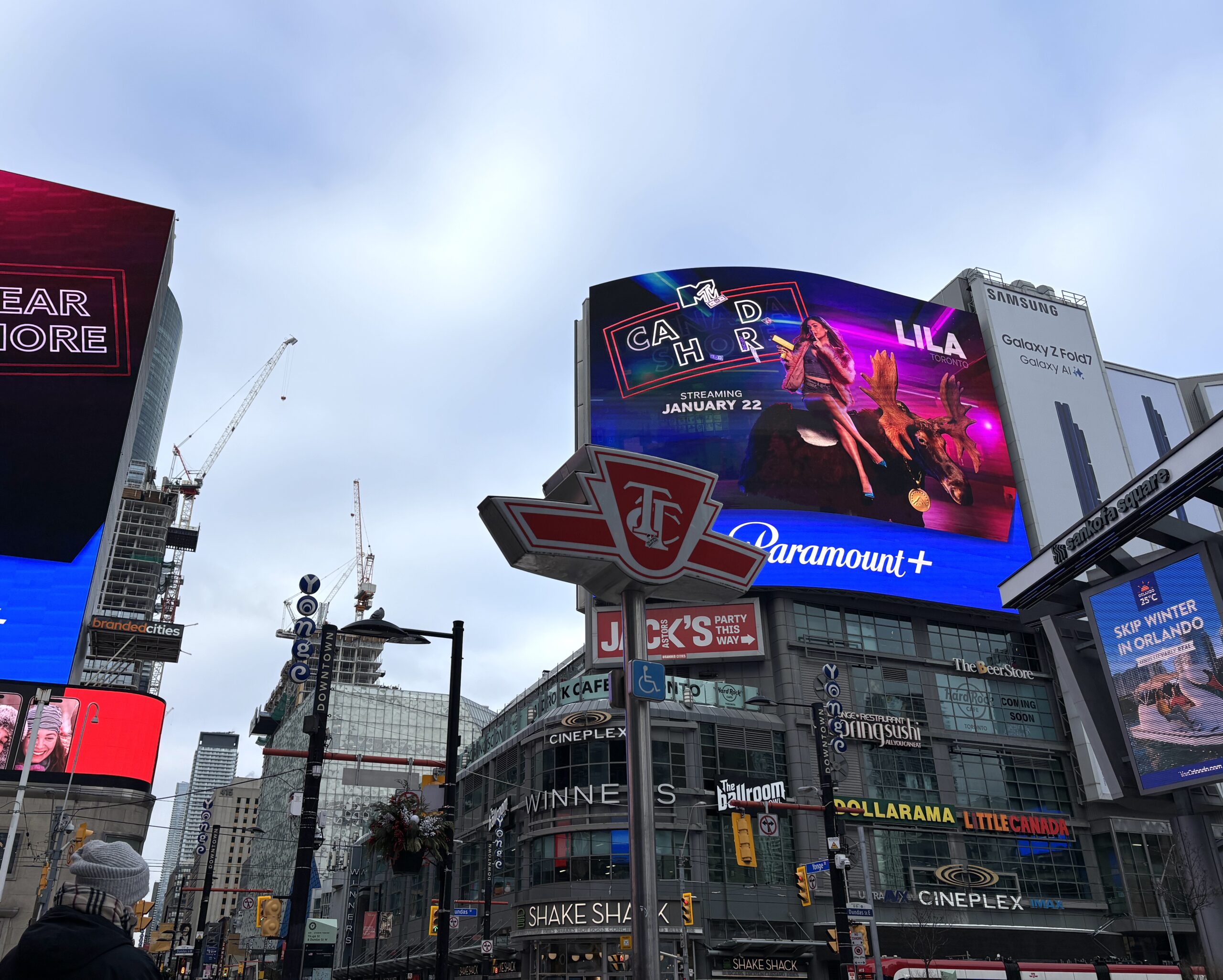
The TTC looks to freeze fares, put a monthly fare cap and increase service for the 2026 FIFA World Cup in their capital budget.
On Jan. 7, the Toronto Transit Commission reviewed its $16.657 billion capital budget that promises fare freezes, fare capping and an expanded service for the upcoming 2026 FIFA World Cup. Residents delivered deputations, mainly in favour of the proposed plan.
The meeting, chaired by Councillor Jamaal Myers, is part of the City’s annual budget setting conversation. Our Documenter Sebastian Tansil attended the meeting online.
John Montagnese, the TTC’s executive director of finance, presented the capital budget plan and outlined key priorities for the commission. These include:
- Freezing fares for the third consecutive year
- Capping fares after 47 monthly rides
- Additional service for the 2026 FIFA World Cup
- Increasing Wheel-Trans funding by $19 million
- Investing $60 million to preserve and enhance existing safety initiatives
- Funding Lines 5 and 6 for their first full year of operation
Several Torontonians, as well as members of the lobbying group TTCriders, voiced their support for fare capping and fare freezing. Many said fare capping should start at 40 monthly trips instead.
Mayor Olivia Chow will ask the TTC to cap costs after 40 rides in 2027 to push for greater affordability.
Torontonian Josel Angeliza Gerardo said fare capping would help young people like them manage the costs of monthly transit. Gerardo said timing errands during the two hour transfer window to avoid accumulating further cost can be a hassle.
Another deputant, August Puranauth, also supported fare capping after 40 taps and called for expanded RapidTO bus lanes. They also advocated for more tools related to commercial parking.
“Fare capping is flexible, fare capping is consistent and fare capping is fair for riders,” said Puranauth.
Zoe Nicoladis said fare capping and freezing helps students participate in city culture. As a graduate student, they said the predictability of transit costs will reduce their anxiety. They said that struggling individuals are paying the same fares as Drake and wealthy finance workers.
Other speakers mentioned concerns over funding for Wayfinding — methods and tools that help individuals navigate and understand a space such as Toronto’s transit system. One deputant said wayfinding should be a priority, rather than a secondary concern, for the upcoming FIFA World Cup.
Some deputants mentioned service reliability. One small business owner said they cannot afford to be late to clients because of travel delays.
Following deputations and discussion, the TTC Board voted to endorse the 2026-2040 capital budget and plan. The 2026-2035 capital budget plan was adopted without amendments and forwarded to the City Budget Committee and City Manager.
Members of the public can continue to voice their concerns and provide input during City budget hearings scheduled for Jan. 20 and 21, 2026.
For more information on upcoming hearings, see below:
January 20 from 9:30 a.m. to 12:30p.m., 1:30 p.m. to 4:30 p.m. or 6:00 p.m. onwards at one of the following locations:
- City Hall, Committee Room 1
- North York Civic Centre, Council Chamber
- Video Conference
January 21 from 9:30 a.m to 12:30 p.m., 1:30 p.m. to 4:30 p.m. or 6:00 p.m. onwards at one of the following locations:
- Scarborough Civic Centre, Council Chamber
- Etobicoke Civic Centre, Council Chamber
- Video conference
Key takeaways
- On Jan. 7, the Toronto Transit Commission reviewed its $16.657 billion capital budget that promises fare freezes, fare capping and an expanded service for the upcoming 2026 FIFA World Cup.
- Several Torontonians, as well as members of the lobbying group TTCriders, voiced their support for fare capping and fare freezing.
- Members of the public can continue to voice their concerns and provide input during City budget hearings scheduled for Jan. 20 and 21, 2026.
On-the-ground observations from our documenter, sebastian tansil
As someone who commutes to work using the TTC, I have noticed the service improvements in my neighbourhood (Kensington Market) as a result of the RapidTO bus lanes on Bathurst. I have noticed how much faster and reliable the TTC is on my street with more consistent streetcars servicing Bathurst. I also noticed, however, that the lack of a transit priority signal on the RapidTO lanes creates confusion for car users on the road.
Want to know more? Check out what The Green Line has to say about it.
CHECK YOUR FACTS
- https://www.toronto.ca/city-government/budget-finances/city-budget/
- https://www.ttc.ca/news/2026/January/TTC-recommended-2026-budget-adds-service-while-addressing-affordability
Documenters:

Notes produced by Aia Jaber
Meeting documented by Sebastian Tansil
VIDEO SHORTS:
For more information, you can access The Green Line‘s story and video.